
300 Investors Said No. Katrina Lake Said Yes to Herself and Changed Fashion Forever.
Three hundred investors. Almost all of them said no. Katrina Lake had a vision for a fashion company built around data and human stylists — a
Three hundred investors. Almost all of them said no. Katrina Lake had a vision for a fashion company built around data and human stylists — a




Bobbi Brown built a billion-dollar cosmetics brand, had it taken by Estée Lauder, and at 62 launched Jones Road Beauty from scratch — proving your philosophy can't be acquired in any contract.

In 1978, Janice Bryant Howroyd opened a staffing firm with $1,500 and a borrowed fax machine. Forty years later, she became the first Black woman to own a company that crossed $1 billion in revenue.

In 2007, Arianna Huffington was running one of the world's most-read news sites when she collapsed from exhaustion and broke her cheekbone. The question she asked herself changed everything.

Whitney Wolfe Herd co-founded Tinder, was harassed out of her own company, then built Bumble — where women make the first move — and rang the Nasdaq bell while visibly pregnant at 31.

Sara Blakely started Spanx with $5,000 in savings, no fashion experience, and the audacity to cold-call Neiman Marcus. What happened next changed the shapewear industry forever.

Her husband died on a vacation. Thirty days later, she had to stand back up and lead one of the biggest companies on earth.

For 18 years, her father kept a secret. She carried the wound for decades. Then she turned it into the most powerful ministry in the world.

She wore dresses made from potato sacks. She was abused as a child. She became the most powerful woman on earth. This is where Oprah actually started.
She had a three-month-old baby, a failed business, and $500. She started again anyway — from her spare bedroom, selling door-to-door.

She hid in a bathroom the size of a closet while soldiers hunted for her outside. She emerged 91 days later — 26 pounds lighter, and with a decision that would change her life forever.
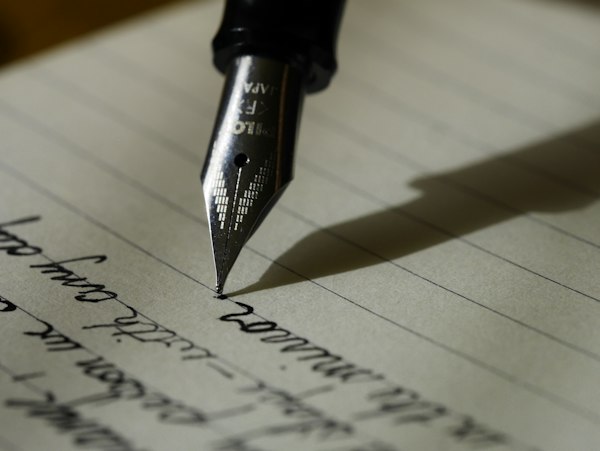
Pink Pen started with a habit. A note. A color that felt like a choice.

The banker, the CPA, and my attorney all said the same thing. I said goodbye, got in my car, and drove up Mount Bachelor alone.

It was a Tuesday. The numbers weren't catastrophic. They were just enough to make me wonder if I'd been wrong about all of it.
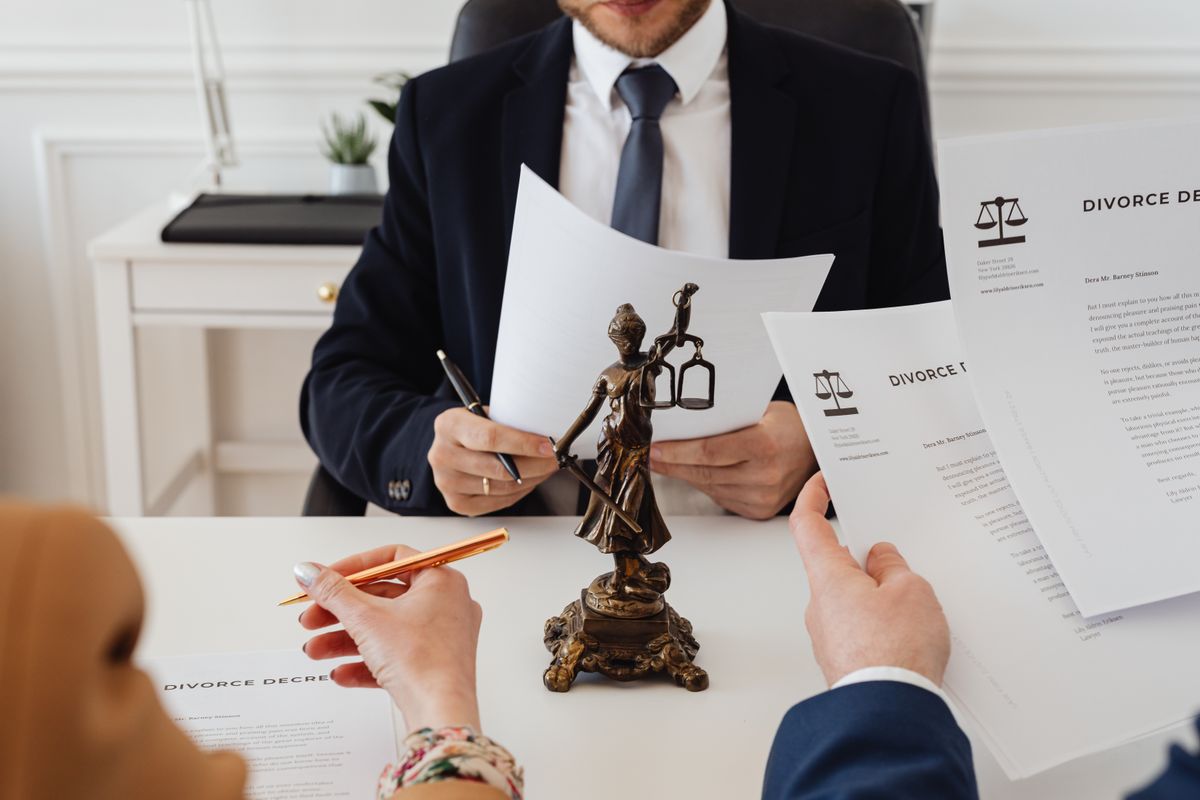
The first banker I approached told me plainly: 'We do not loan to women-owned businesses.' My private reaction was more complicated than anger.

Bill sat me down near the end and said something I didn't want to hear. I remembered it on a New Year's evening, years later, when someone asked me to dinner.

A woman introducing me at a nonprofit event said she wasn't going to read my resume. She was going to ask the room a question instead.

Esther Hatch lived behind a gate with two ponds and a garden full of color. She gave me encyclopedias, research assignments, and the most unusual birthday gift I ever received.
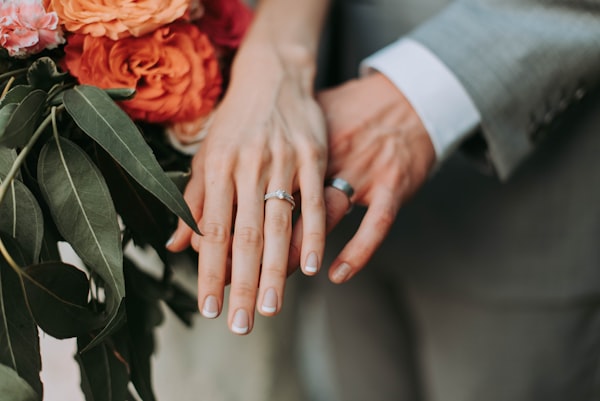
Being parents of five, an evening alone was a special treat. I had the candles lit, the champagne on ice, and the bubble bath drawn. Then I heard voices.

The banker, the CPA, and the attorney all said the same thing: close. I thanked them, pushed in my chair, and drove west toward Mount Bachelor. I still have the lift ticket.
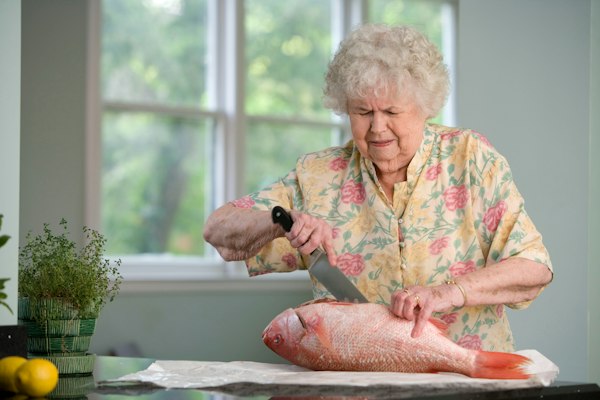
Stephanie worked beside me for 24 years. When I retired, she wrote me a note — in pink ink — and sent it to the whole company.

The morning of her licensing exam, her hair dryer died. What happened next — involving a pair of pantyhose and a parking lot — is the only way to begin this story.